A French Apéritif Guide: Kir Royale, Spritz & the Pre-Dinner Ritual
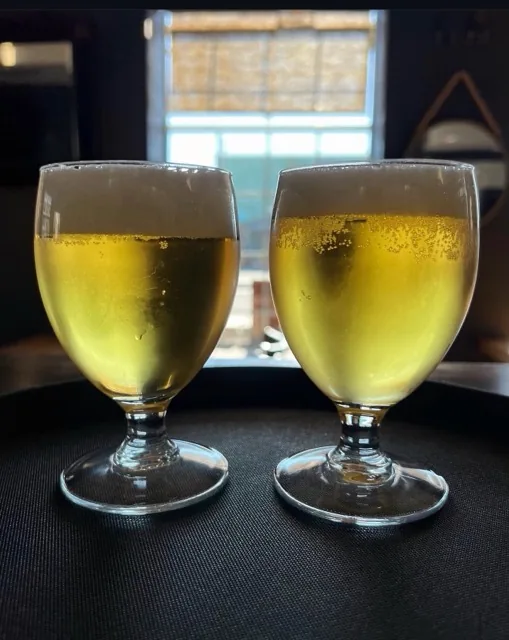
The apéritif is not a cocktail hour. It is a punctuation mark between the day and the meal. The French drink to open the appetite, not to blunt it. That means lower alcohol, pronounced acidity, bitterness or fruit tension, and a pour that finishes before the first course arrives. At Vogue Cafe in Steveston, the printed list runs to nine cocktails at $13 each, plus wine by the glass (6 oz $11, 9 oz $15) and a bottle of Kronenbourg 1664 for $9 — all built for that exact window.
The Golden Rules
Dry over sweet. Sugar coats the palate and kills hunger. A proper apéritif leans on quinine, gentian, citrus peel, or crisp fruit acidity to stimulate saliva and gastric juice.
Low ABV. Fortified wines (Lillet, Dubonnet, Byrrh), light sparkling wine, beer, or a spirit lengthened heavily with soda or tonic. You want 10–17% in the glass, not 30%.
Small measure, cold glass. A 90–120 ml pour in a stemmed flute or a rocks glass over a single large cube. It disappears in five minutes. That is the point.
Salty, fatty accompaniments. Olives, nuts, anchovies, a sliver of Comté, charcuterie. The fat rounds the acid; the salt drives the next sip. Vogue's charcuterie plate ($17) — dry sausage, beer sausage, prosciutto, frankfurter, pickle — was made for this moment.
Kir Royale: The Cassis Standard
Crème de cassis de Dijon (16–20% ABV, 400 g/L sugar minimum by French decree) topped with brut or extra-brut sparkling white wine. The classic ratio is 1:5 — one part cassis, five parts wine. That keeps the sugar in check and lets the blackcurrant perfume lift the yeast autolysis notes of the wine.
At Vogue the Kir Royale uses L'Héritier-Guyot crème de cassis and the house sparkling white, served in a flute. No garnish. The cassis sits at the bottom until the bubbles carry it up; do not stir violently or you strip the mousse. If you prefer drier, ask for a "Kir Pétillant" — half the cassis, same pour.
The Spritz Family
A spritz is a template, not a single drink: three parts sparkling wine, two parts bitter liqueur, one part soda, ice, citrus garnish. The bitter component defines the profile.
- Aperol Spritz — gentian, rhubarb, orange peel. Bright orange, 11% ABV, approachable bitterness. Vogue pours it by the book.
- Hugo Spritz — St-Germain elderflower liqueur replaces the bitter. Floral, honeyed, lower perceived bitterness. Prosecco, soda, mint sprig.
- Paris Spritz — Grand Marnier brings Cognac weight and orange-oil intensity. Richer, deeper, bridges apéritif and digestif territory.
All three arrive in large wine glasses over ice at $13. The ice dilutes intentionally; drink it while it's cold.
Beyond the Big Two
Chambord Royale — black raspberry liqueur (16.5% ABV) plus sparkling wine. Darker fruit, more tannin structure than cassis.
Cognac Highball — St-Rémy brandy, soda, orange twist. The highball format stretches 40% spirit into a 12% long drink. The oils from the twist sit on the surface; nose first, then sip.
Gin & Soda French Style — Bombay Sapphire, St-Germain, soda. Elderflower softens the juniper; the soda lifts the botanicals. Closer to a Tom Collins without the lemon-sugar axis.
Shaft — Grey Goose, espresso, Kahlúa. Technically a nightcap, but the coffee bitterness and vodka neutrality let it function as a late apéritif for the dessert-inclined.
Caramel Café — espresso, Baileys, house-made caramel. Sweet, creamy, 15% ABV. Treat it as liquid dessert, not an opener.
Wine & Beer as Apéritif
A 6 oz pour of Côtes du Rhône ($11) or Mouton Cadet White Bordeaux ($11) works when you want zero manipulation. The Rhône brings pepper and red fruit; the Bordeaux brings Sémillon waxiness and Sauvignon zip. La Vieille Ferme Rosé ($11) is the classic Provençal bridge — dry, saline, pale onion-skin colour.
Kronenbourg 1664 on tap ($9) is the working-class apéritif par excellence: 5.5% lager, fine bubbles, slight corn sweetness balanced by noble hop bitterness. A beer flight lets you taste through Barnside's Delta-brewed lineup — Hazy IPA, Pilsner, Amber, Dutch Red — without committing to a pint.
What People Ask
Is Kir Royale always made with Champagne?
No. Any brut sparkling white wine qualifies. Crémant de Bourgogne, Crémant d'Alsace, or a dry BC traditional-method sparkler all work. The cassis dominates the aroma; the wine provides acidity and bubble structure.
Can I make a spritz without prosecco?
Yes. Any dry sparkling wine — Cava, Crémant, even a dry Lambrusco — substitutes. Avoid demi-sec or doux; the residual sugar clashes with the bitter liqueur.
What's the difference between crème de cassis and Chambord?
Cassis is macerated blackcurrants, neutral spirit, sugar. Chambord adds raspberry, blackberry, vanilla, citrus, honey, and Cognac. Cassis is linear and tart; Chambord is layered and round.
Do I need to eat something with my apéritif?
You should. A few olives, a crouton of cheese, a slice of saucisson. The French never drink "on an empty stomach" by choice — the food is part of the ritual.
---
Walk in or reserve at (604) 370-4444. The patio opens at 10:30 am; the licence runs to midnight. Pick a glass, pick a bite, watch the village move.
Vogue Cafe · Steveston Village
Open daily 10:30am–8:30pm · brunch until 3pm · licensed until midnight for special bookings
12251 No 1 Rd #130, Richmond BC · (604) 370-4444
Reserve a Table